

Canvas & Clay Logo Canvas & Clay Contact Us
Contact Us
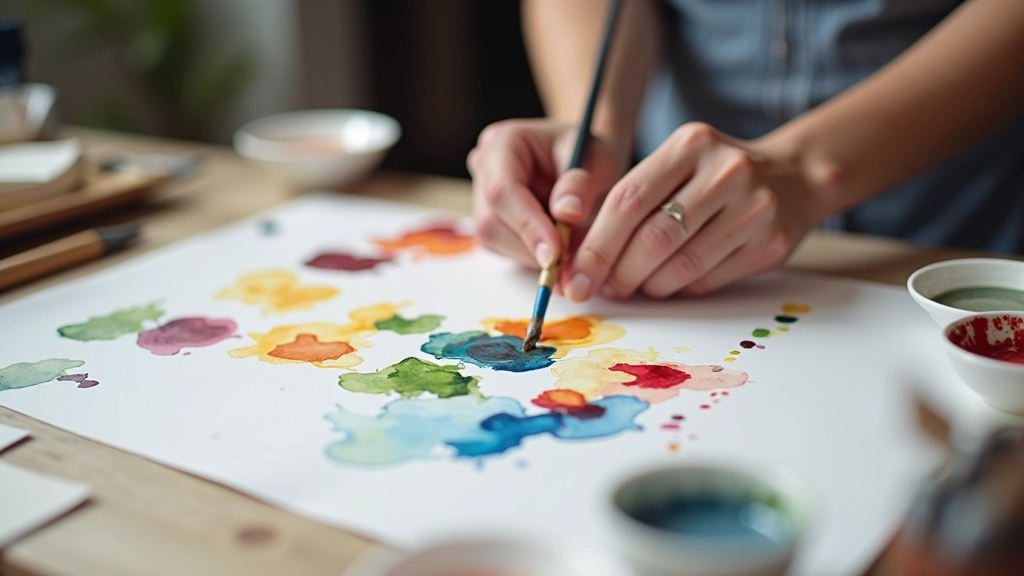
Artist mixing watercolours on a wooden palette with various brush strokes visible on white paper
Beginner 12 min read March 2026

Getting Started with Watercolour — No Experience Needed

Learn basic watercolour techniques in your first session. We cover brush control, water ratios, and how to let go of perfection — it’s really about enjoying the process.

Síobhan O'Rourke
Creative Director and Workshop Facilitator

Síobhan is a creative facilitator with 14 years’ experience leading community art workshops across Ireland, specializing in making watercolour, pottery, and collage accessible to all skill levels.

What You’ll Actually Learn

Watercolour has a reputation for being this delicate, precious thing. But honestly? It’s one of the most forgiving mediums once you stop expecting perfection. You’ll learn three core skills in your first session — and they’re the ones that actually matter.

The first thing we cover is water control. It’s not about technique in the fancy sense. It’s understanding that watercolour is really just pigment and water working together. Too much water, and you’ve got soup. Too little, and the paint won’t move. Most people figure this out in about ten minutes once they’re actually holding a brush.

Then we tackle brush handling. Not fancy brushwork or anything like that — just how to hold the brush so your hand doesn’t cramp and so you can actually see what you’re doing. Sounds simple. It makes a massive difference.

“The best part about watercolour is that mistakes often become the most interesting parts of the painting.”

— Síobhan O’Rourke

The third piece is learning to embrace what watercolour does naturally. It bleeds. It runs. It creates happy accidents. That’s not a flaw — that’s the medium being itself. Once you stop fighting it, everything gets easier.
The Techniques That Stick

We focus on two techniques in the beginning. They’re not complicated, and they open up everything else.

Wet-on-wet is exactly what it sounds like. You wet your paper first, then drop pigment into the wet. The colour spreads. You can’t control it precisely — and that’s the whole point. This is how you make skies that actually look like skies, water that actually looks like water.

Layering comes next. Once your first layer dries — and this takes maybe five minutes — you can paint over it. Build depth. Add detail. The transparency of watercolour means you’re not covering up what’s underneath; you’re adding to it. It’s more like collage than traditional painting.

Most people panic about getting the colours right. We don’t obsess over that. You’ll mix browns from reds and blues. You’ll find that a little bit of everything makes grey. It’s experimentation, not precision. And that’s actually freeing once you embrace it.

Your First Session Setup

You don’t need much. That’s one of the best things about watercolour. A basic starter set — the kind you find in art shops for under 20 — has everything you need to start. Not fancy professional tubes. Just honest paint that works.

Paper matters more than paint. Get proper watercolour paper. It’s thicker, and it holds water without turning into mush. Cold-pressed (that slightly rough texture) is more forgiving than hot-pressed. A 140gsm weight is plenty for beginners.

For brushes, you need three. One large mop brush for washes — this applies water and colour across bigger areas. One medium round for detail work. One flat brush for edges. That’s it. Doesn’t have to be expensive. Natural hair brushes are lovely but synthetic ones work just fine.

Pro tip: Keep two containers of water — one for rinsing, one for clean water. Sounds fussy. Changes everything about your colour clarity.

A palette (any shallow dish works), a sponge for wetting paper, paper towels, and a pencil for light sketching. That’s genuinely all you need. We provide most of this in our workshops anyway.

Your First Painting

Don’t overthink this. Your first painting probably won’t be a landscape or a portrait. It’ll be an experiment. And that’s perfect.

Here’s what we usually do. Wet the whole page. Drop one colour in. Watch it spread. Add another colour. See what happens where they meet. That’s it. You’re learning how the medium moves. You’re not trying to create a finished piece.

It takes maybe ten minutes. Then you wait for it to dry. In that waiting time — while the paint dries — you’re already thinking about what you’ll do next. Maybe you’ll add some detail. Maybe you’ll add more colour. Or maybe you’ll just look at what happened and call it done.

There’s something powerful about that. You’re not following instructions. You’re responding to what’s in front of you. That’s where watercolour becomes less about technique and more about presence. You’re here, watching paint move, making small choices. It’s meditative without being boring.

Most people leave their first session surprised. Not because they’ve made something gallery-ready. But because they’ve made something that’s genuinely theirs. Wobbly skies, unexpected colour mixes, happy accidents. That’s real watercolour.

Ready to Begin

Watercolour isn’t about talent or years of practice. It’s about showing up with a brush and seeing what happens. That’s genuinely all it is.

You’ll learn the fundamentals in a couple of hours. Water control, basic brushwork, understanding how the medium behaves. Then it’s just practice. And practice with watercolour is actually enjoyable. You’re not grinding through drills. You’re making paintings — loose, experimental, sometimes surprising ones.

The best part? You’ll walk out of your first session with a finished painting. Not a perfect one. But a real one. Something you made. Something that couldn’t exist without you. That’s the hook with watercolour. It’s immediate. It’s yours.

Educational Note

This guide is informational and educational in nature. Watercolour techniques vary by individual preference, paint quality, and paper type. Results will differ based on your materials and practice. The information provided here is intended to introduce you to basic watercolour concepts. For in-person instruction tailored to your needs, we recommend attending a workshop with experienced facilitators.