Finding Your Medium
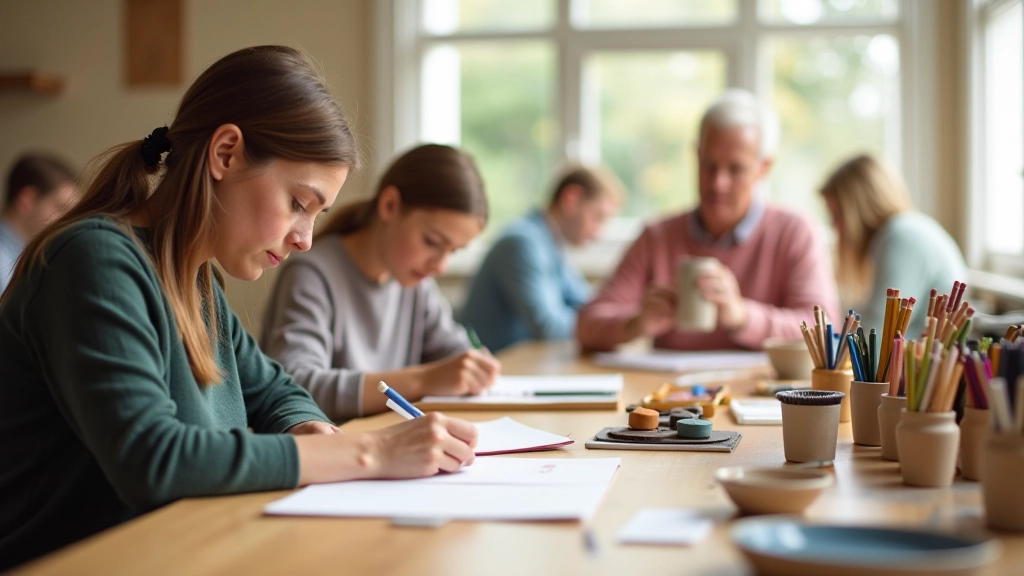
Can’t decide between watercolour, pottery, sketching, or collage? You’re not alone. The choice feels overwhelming until you actually try something. Here’s the thing — there’s no wrong answer. Each medium has a completely different feel, and what suits one person might not click for someone else. We’ll walk you through what to expect with each, so you can make an informed choice.
The best medium for you depends on what you’re looking for. Are you seeking meditative, hands-on work? Something that lets you see results quickly? Or maybe you want something you can do quietly without much setup? Let’s break down the real experience of working with each medium.
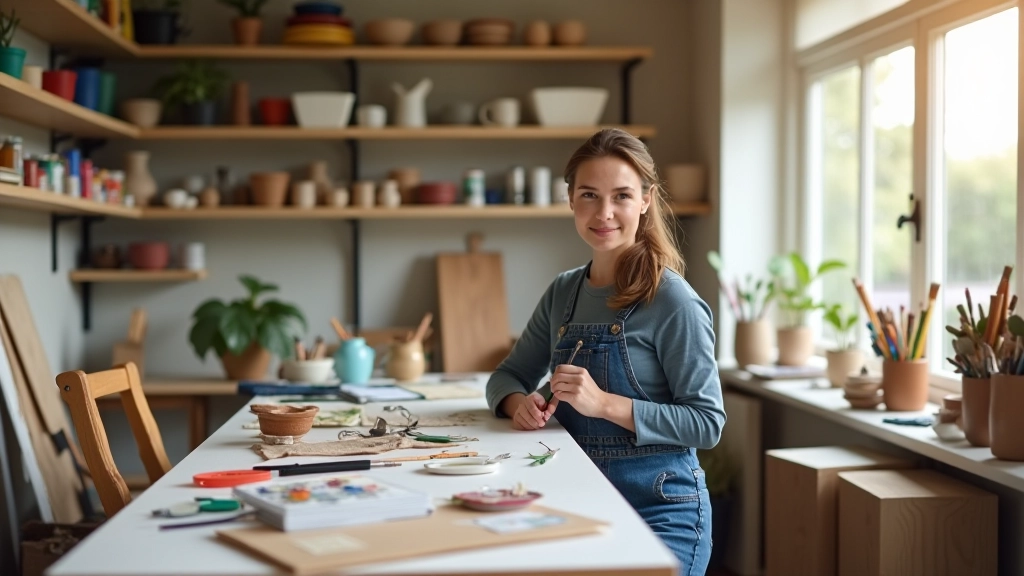
The medium you choose should feel like something you’d actually want to do again. Not because you have to, but because it drew you back in.
Watercolour — Speed and Fluidity
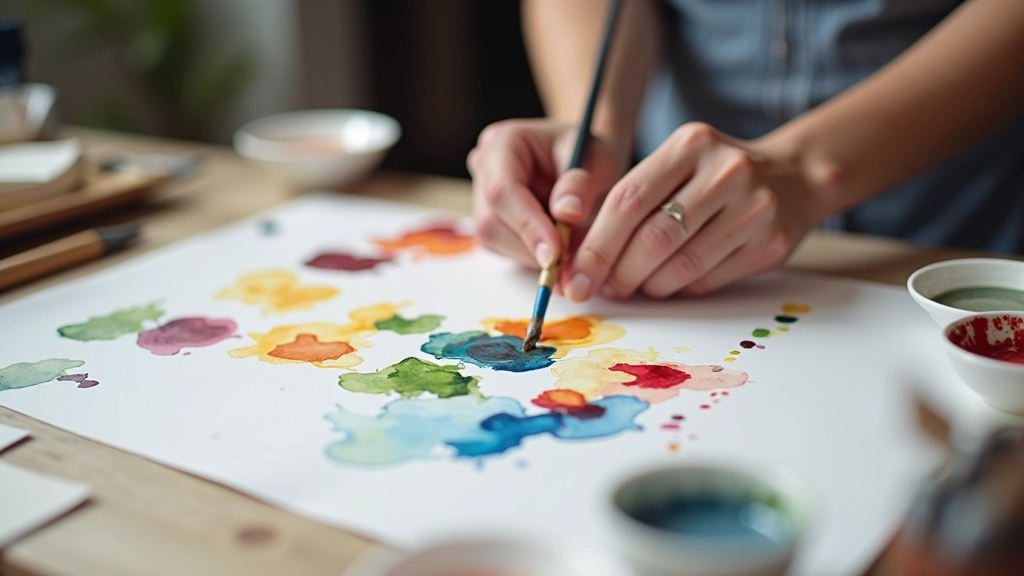
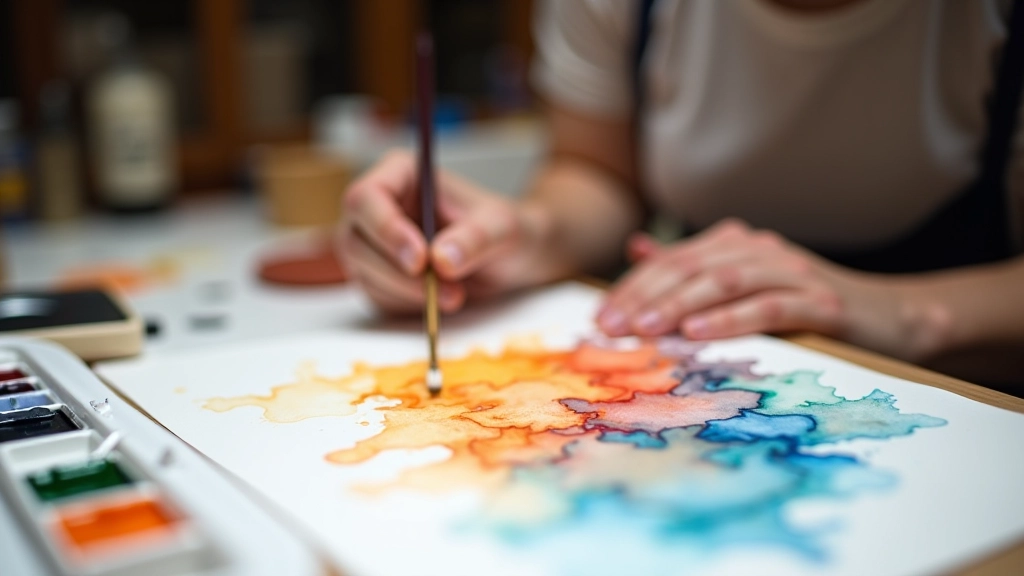
Watercolour works fast. You’re not spending hours perfecting a single piece. A session might be 30 minutes to an hour, and you’ve got something on paper. That immediate feedback appeals to people who get frustrated with long processes.
The medium itself is forgiving in some ways and unforgiving in others. You can’t really erase watercolour — it sinks into the paper. So you’re learning to work with happy accidents rather than fighting them. Some people love that spontaneity. Others find it stressful at first.
Setup is minimal. You need paper, paint, water, and a brush. That’s genuinely it. No kiln, no drying time for clay, no sorting through scraps. If you want to paint for 20 minutes before work, watercolour makes that realistic. Most participants see visible improvement within 4-5 sessions.
Pottery — Rhythm and Meditation
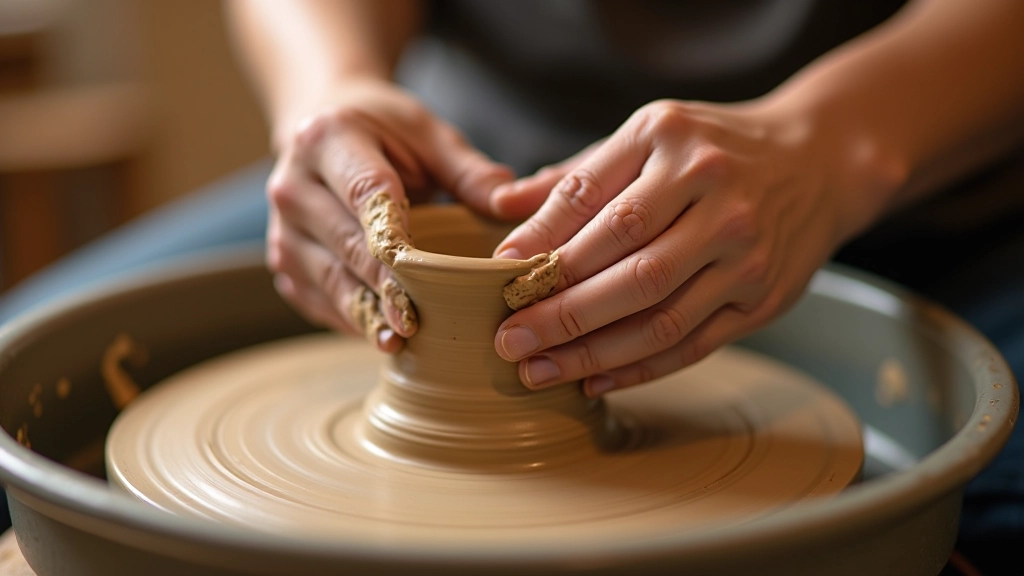
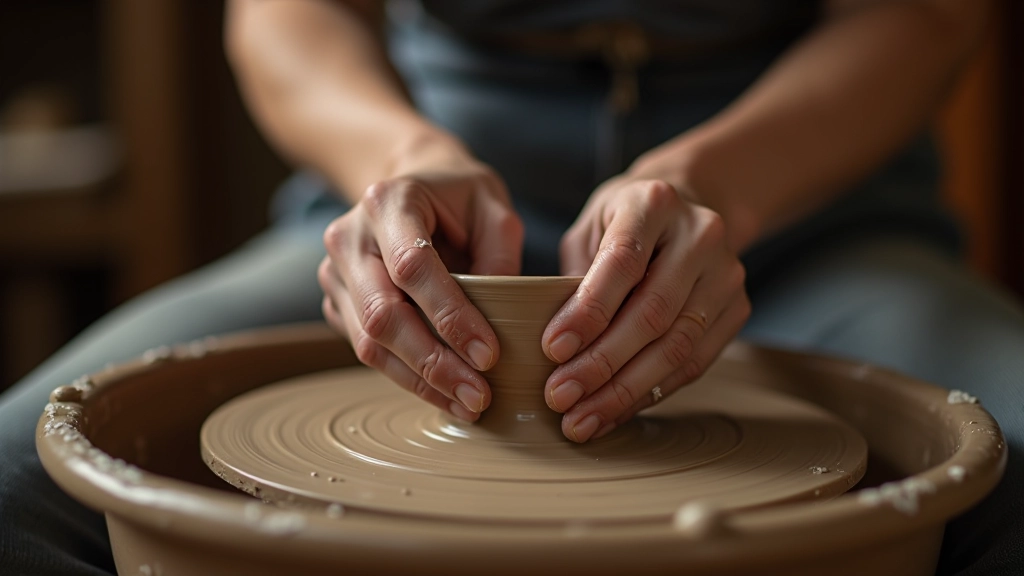
Pottery is different. It’s slow. A session might be 90 minutes, and you’re working with clay the entire time. Your hands are busy, your mind quiets down, and time disappears. That’s exactly why people come back to it week after week.
The tactile experience is profound. Clay responds to pressure, temperature, and moisture. You’re not just creating something — you’re in constant conversation with the material. It’s why people describe pottery as meditative. Your body knows what to do even when your mind is elsewhere.
The downside? You need access to a studio with a kiln. You can’t do this at home easily. And results take time. A bowl you make today gets fired next week. So you’re not getting immediate gratification. But if you’re looking to genuinely disconnect from screens and stress, pottery does that better than almost anything.
Collage — Creative Freedom Without Skill
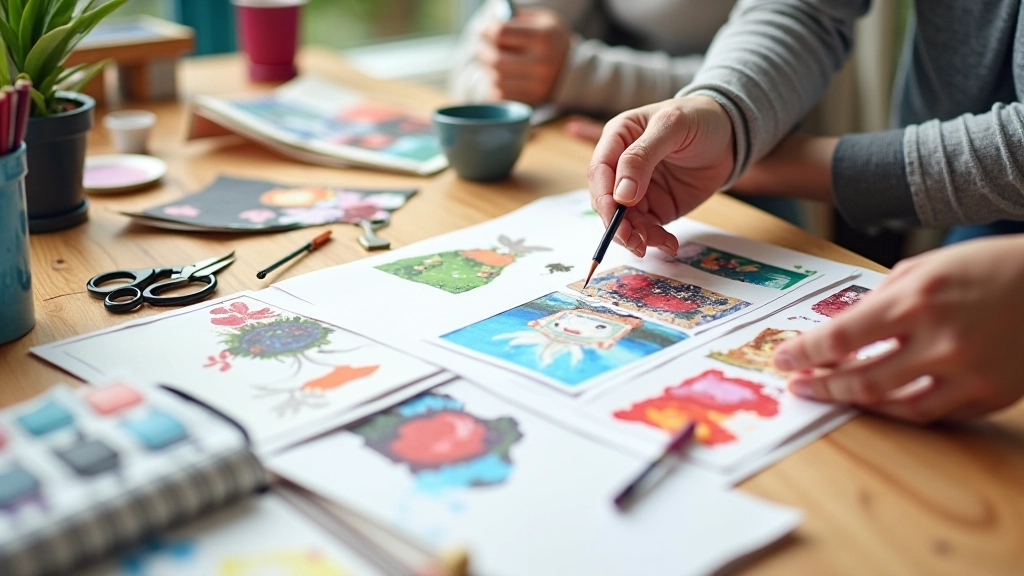
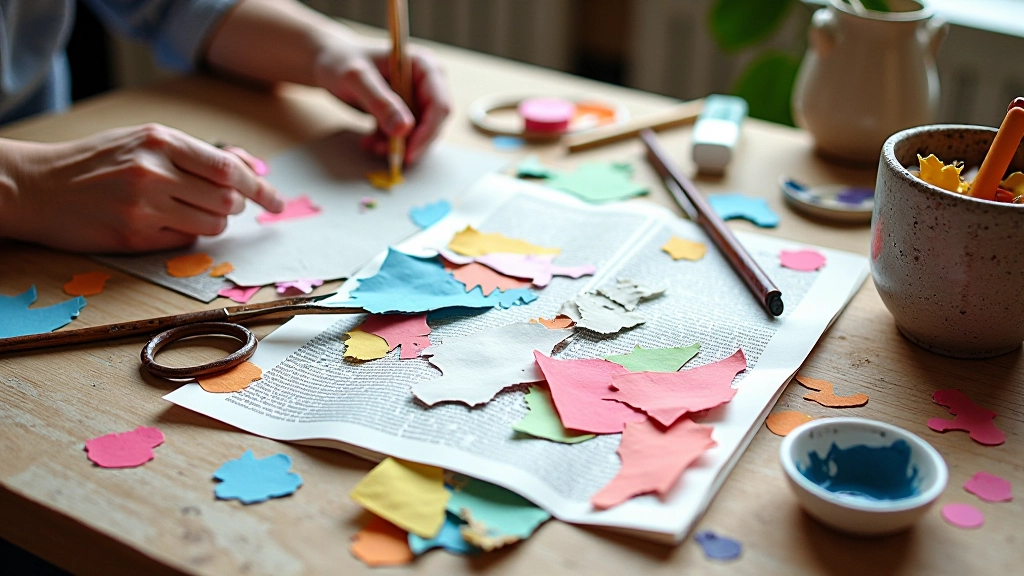
Collage is the least intimidating starting point. You’re not trying to draw or shape anything. You’re selecting, tearing, and arranging. Most people feel less self-conscious about their abilities because there’s no “correct” technique to learn. It’s genuinely about what appeals to you.
The process is surprisingly tactile. Tearing paper, feeling the glue, arranging compositions — it engages your hands and eyes. And unlike watercolour, you can change your mind. Don’t like where that image sits? Move it. Glue isn’t permanent until it sets.
You’ll need magazines, scissors, glue, and paper or cardboard. That’s it. The material is usually free or nearly free. Many libraries in Ireland host regular collage sessions where they provide supplies. It’s accessible, social, and results are instant. You walk out with finished work the same day.
Sketching — Building Observation Skills
Drawing intimidates people. “I can’t draw” is something we hear constantly. But sketching isn’t about being naturally talented. It’s about training your eye to see proportion and light differently. Anyone can learn this.
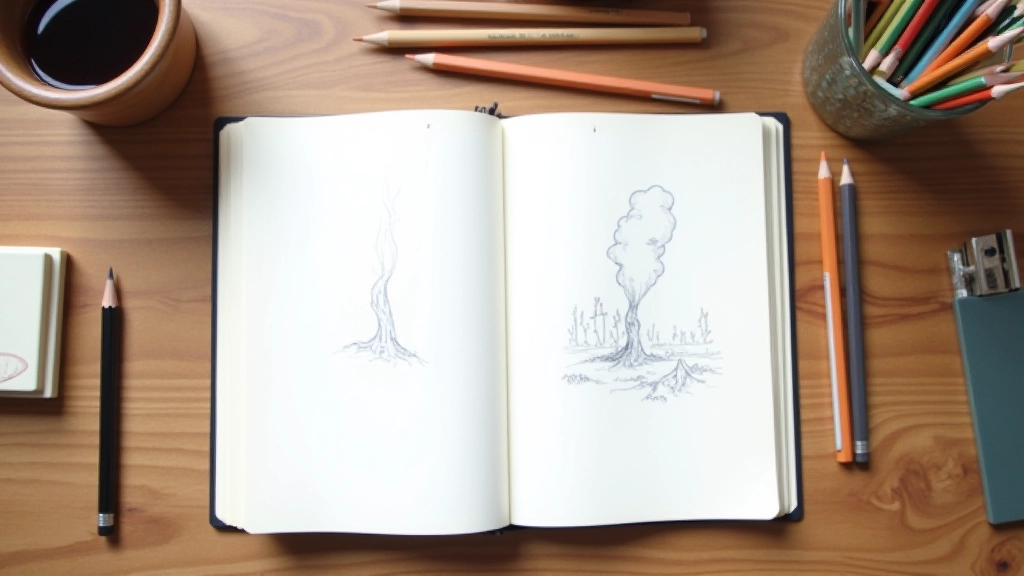
The advantage is portability. You need pencil and paper. That’s genuinely all. You can sketch in a café, park, or your living room. Progress is measurable — you can flip through a sketchbook and see clear improvement month to month.
Sketching requires patience, though. You’re building skills intentionally. The first month might feel slow. But by month three, you’ll notice your hand steadier and your eye sharper. It’s a practice that rewards consistency.
How to Choose — Three Simple Questions
1. How much time do you have?
Quick sessions (20-30 mins)? Watercolour. Long immersive blocks (90 mins)? Pottery. Flexible timing? Collage or sketching work anywhere.
2. Do you need immediate results?
Yes? Watercolour or collage get you finished pieces the same session. No? Pottery rewards the long view — the piece gets better when fired. Sketching shows progress over weeks.
3. What kind of experience are you after?
Quiet meditative time? Pottery. Social and playful? Collage workshops. Structured skill-building? Sketching. Experimental and flowing? Watercolour.
The Real Answer
Here’s what we’ve learned from 14 years of workshops: the medium that’s “right” for you is the one you actually show up for. It’s not the most beautiful choice or the one that sounds impressive. It’s the one that draws you back.
Most people don’t stick with their first choice. They try watercolour, realize they want something more meditative, and switch to pottery. Or they start with sketching, get frustrated, and discover collage feels more natural. That’s completely normal and it’s actually valuable. Each medium teaches you something about what you need creatively.
If you’re still unsure, start with collage. It’s the lowest barrier to entry — literally no artistic skill required, supplies are cheap or free, and you walk out with finished work. From there, you’ll know whether you want to go deeper into something else. That’s how most people find their medium. Not by thinking about it. By doing it.
This guide is educational and informational. Individual experiences with creative mediums vary based on personal preference, prior experience, and learning style. Creative practice isn’t a substitute for mental health treatment, though many find it supportive alongside professional care. If you’re exploring creative work for stress relief or wellbeing, it’s always good to discuss any significant changes with a healthcare provider if relevant to your situation.