

Why Clay Works as a Meditation Practice
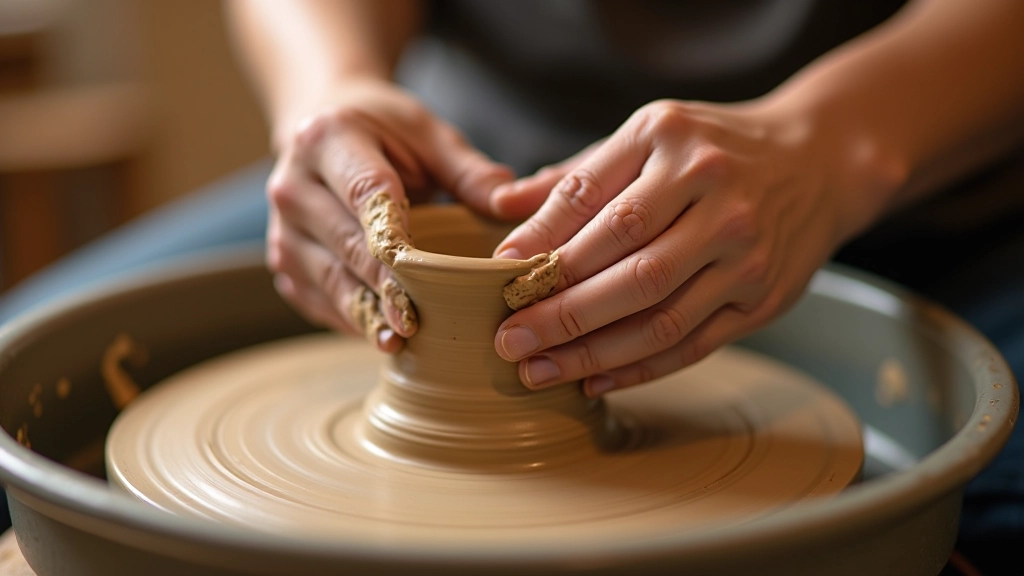
You don’t need years of experience to find calm at the pottery wheel. The magic happens the moment your hands touch the clay. There’s something about the texture, the resistance, the way it responds to gentle pressure that shifts your attention entirely into the present moment.
Unlike meditation where you’re sitting quietly trying to control your thoughts, pottery gives your mind something to do. Your hands stay busy. Your focus narrows. Worries about work emails, family drama, or whether you’re doing life right simply disappear. They can’t compete with the immediate sensory feedback of wet clay under your palms.
Studies on mindfulness in art-making show that repetitive hand movements combined with creative focus activate the same brain regions as traditional meditation. But here’s the real difference — you end up with something at the end. A bowl. A mug. Even if it’s wonky and imperfect, it’s yours. You made it.
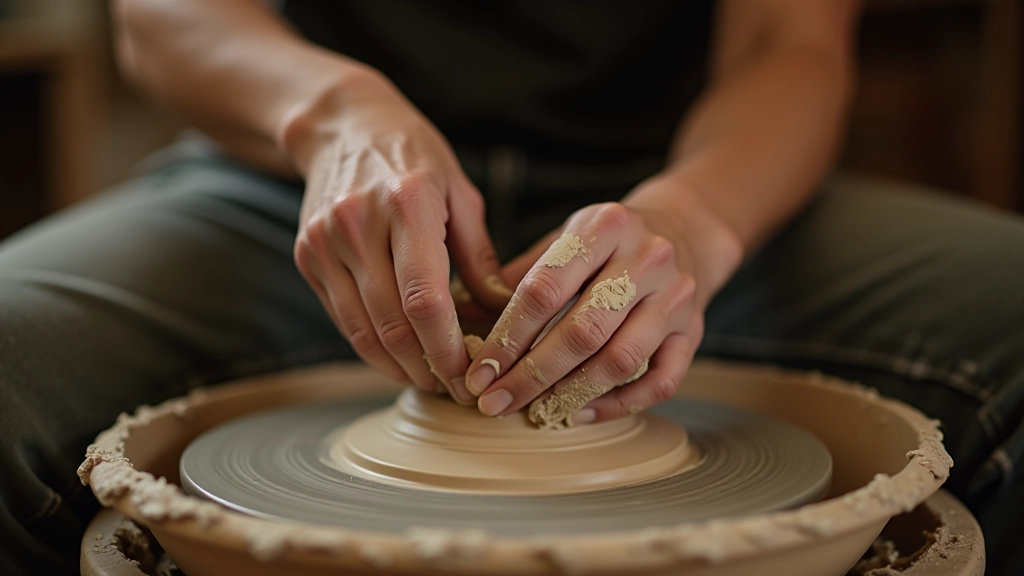
“After the first 10 minutes, I stopped thinking about anything else. The clay just took over. It was the quietest my mind had been in months.”
The Rhythm That Calms Your Nervous System
Pottery has a built-in rhythm. Centering the clay takes patience. You can’t rush it. The wheel spins. Your hands apply gentle, steady pressure. There’s a cycle to it — push, release, adjust, push again. This repetitive pattern, combined with the focus required to keep the clay centered, naturally slows your breathing and heart rate.
Most people come in stressed. Their shoulders are tight. They’re talking fast. By 20 minutes into a session, you’ll notice them lean into the wheel. Their breathing deepens. Their jaw unclenches. The nervous system isn’t fighting anymore — it’s engaged in something that actually feels good.
You’re not achieving anything. You’re not being productive. You’re not checking boxes. And that’s precisely why it works. Your brain gets a break from the constant need to accomplish something.
What Happens in Your First Session
- First 10 minutes: Learning wheel control and centering basics
- Minutes 10-30: Finding your rhythm, stress naturally melting away
- Minutes 30-50: Creating your first piece, time feels suspended
- Final 10 minutes: Cleaning up, feeling grounded and calm
No Experience Needed — Just Show Up
The biggest barrier people face isn’t lack of skill. It’s the belief that they need to be “good” at it to make it worth their time. You don’t. Pottery workshops for beginners exist because everyone starts exactly where you are.
You’ll get instructions on how to position your hands, how much water to use, how to read the clay as it spins. You’ll make mistakes. Your first bowl might lean to one side. Your walls might be too thin and collapse. That’s completely normal. Happens to everyone. Instructors have seen every version of “went wrong” imaginable and they don’t judge. They just show you the adjustment and you try again.
The meditation part doesn’t depend on producing a masterpiece. It depends on being present while you work. On feeling the clay respond to your touch. On quieting the mental chatter for 60 minutes. The rest is just bonus.
Building a Sustainable Practice
If pottery is going to be your meditation practice, consistency matters more than intensity. One 90-minute session per week will give you better stress relief than cramming three sessions into one weekend. Your hands need time to develop muscle memory. Your mind needs the routine of “pottery day” to look forward to.
Many community studios in Ireland offer drop-in classes. You show up. You work. You leave calmer than you arrived. No membership pressure. No commitment beyond that single session. Some people find their flow and come every Tuesday for years. Others try it once a month. There’s no wrong approach.
What we do know from talking with hundreds of people who’ve taken pottery as a stress-relief practice: they don’t stop. It becomes something they protect in their schedule. Not because they have to. Because they want to.
Finding Your Calm in Clay
Pottery as meditation isn’t about becoming a ceramicist. It’s about finding 60 minutes where your mind stops running in circles and your hands do the thinking instead. It’s accessible. It’s affordable. And it works.
If you’ve been looking for a way to genuinely slow down without sitting in silence trying to “empty your mind,” clay might be exactly what you need. Come with no expectations. Just hands, clay, and the space to be present.
Important Note
This article is educational and informational only. While pottery can be a wonderful tool for relaxation and mindfulness, it’s not a substitute for professional mental health support. If you’re experiencing significant stress, anxiety, or depression, please consult with a healthcare professional or mental health practitioner. Pottery workshops should complement, not replace, appropriate medical care when needed.