Collage workshops across Irish libraries and community art centres have become welcoming spaces for anyone wanting to explore creative expression. There’s something freeing about it — no special skills needed, just scissors, glue, and whatever materials call to you. We’ve mapped out where to find regular sessions, what happens in your first workshop, and why so many people keep coming back.
Where to Find Collage Workshops Across Ireland
Most Irish libraries now host collage workshops at least monthly. Dublin’s Central Library has sessions every second Thursday at 2 PM and 6 PM. Cork City Libraries run weekend workshops on Saturday mornings. If you’re in Galway, the Community Arts Centre offers drop-in collage on Tuesday and Friday afternoons.
The network expanded significantly since 2023. What started as a handful of pilot sessions has grown into regular programming across Limerick, Waterford, and even smaller towns like Droichead Átha and Sligo. You’ll find most workshops list their schedules online, though calling ahead is still the best way to confirm — sometimes they shift timing for holidays or special events.
Pro tip: Many libraries offer the first session free or at a reduced rate. It’s worth asking when you book.

What Happens in Your First Session
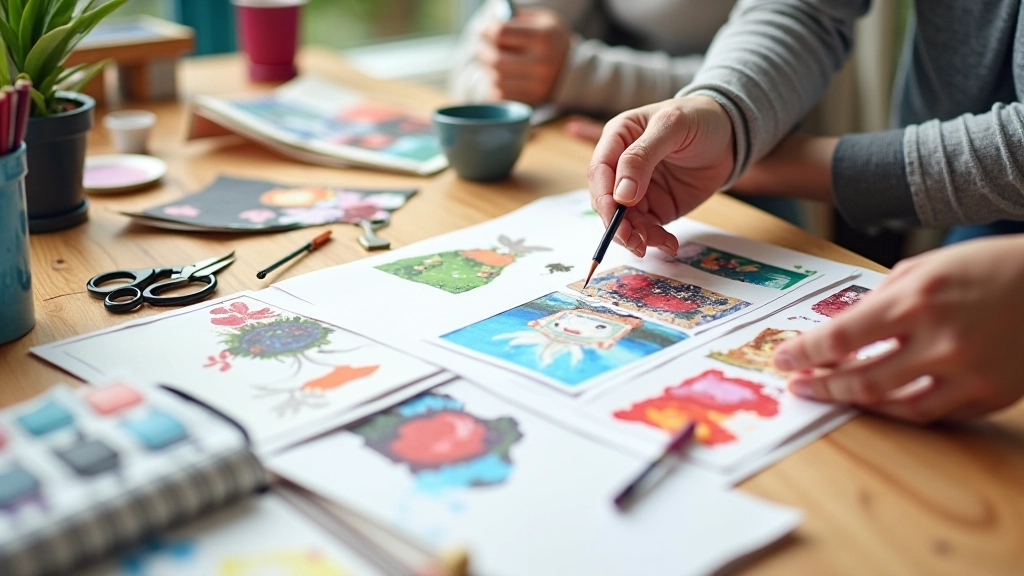
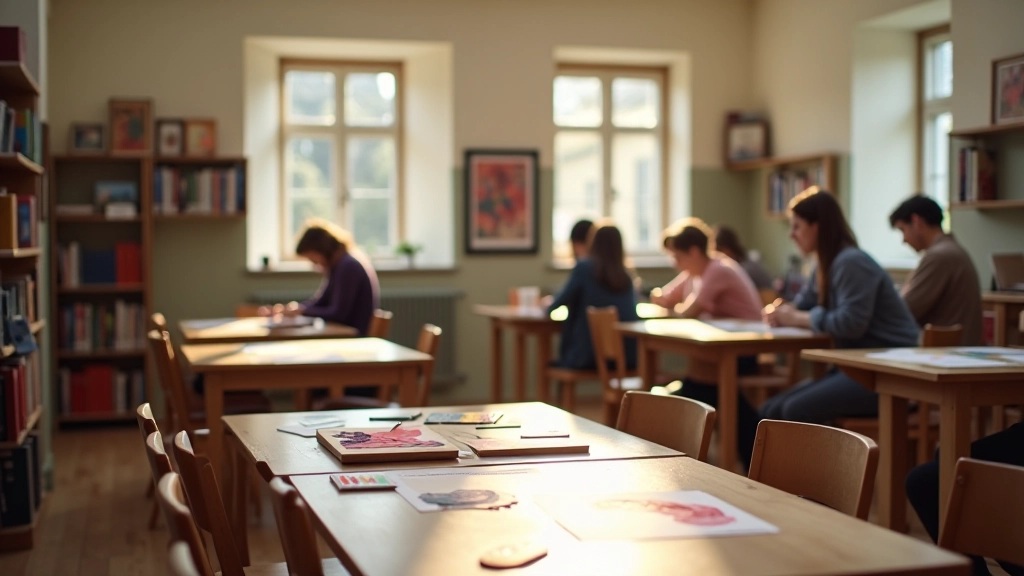
Don’t expect formal instruction. Most workshops open with facilitators explaining what’s available — different papers, magazines, paints, found objects — then you’re free to work at your own pace. There’s no project you have to finish. No right way to do it.
People bring their own materials sometimes. Old photographs, fabric scraps, newspaper clippings, ticket stubs from concerts or films. The beauty is in the mixing. You’ll see someone create something abstract using torn pages, and someone else working from a photo they brought. Sessions typically run 2 to 3 hours, and you can arrive late or leave early without anyone minding.
Facilitators walk around, available if you want to chat about your work or need scissors that actually cut. But they won’t push you. We’ve watched quiet people come in, spend 90 minutes in focused silence, and leave completely satisfied. That’s the real strength of these workshops — they meet you where you are.
Why People Keep Coming Back
It’s not about creating gallery-worthy pieces. Most people describe it as a form of quiet meditation. Your hands are busy. Your brain stops cycling through work emails and to-do lists. You’re present with scissors, glue, and colour.
“I’d never done anything creative before. Honestly thought I’d hate it. But there’s something about sitting with scissors and paper that just… quiets everything down. Now I go every week. Don’t care if my collages look finished or not.”
The social side matters too, but it’s low-pressure. People chat while they work. You might hear someone’s story about why they chose a particular image, or why they’re trying collage instead of painting. But you’re not forced into conversation. Some folks come to be alone in a room with other people. That’s okay here.
Cost, Materials & What to Bring
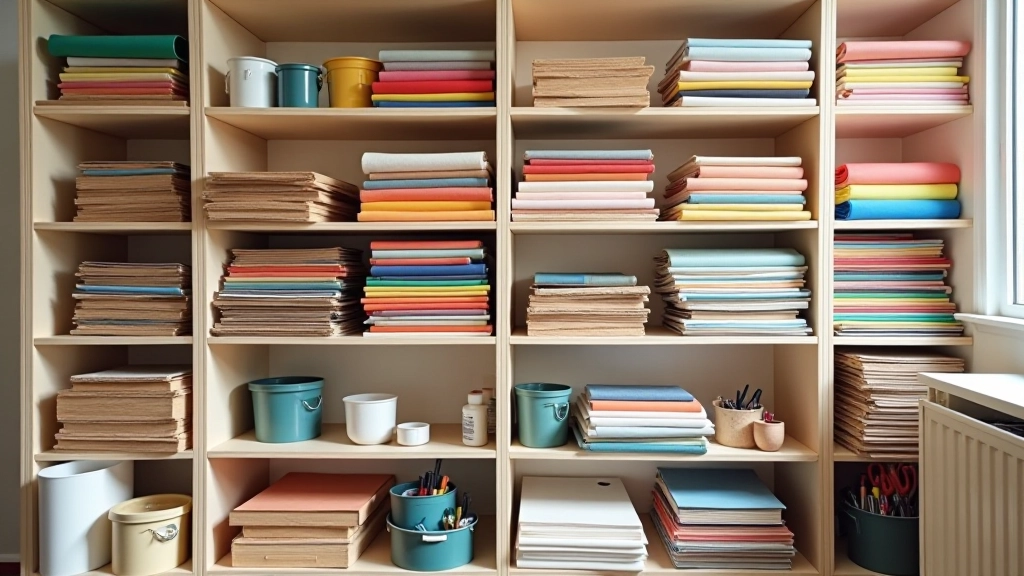
Most workshops cost between 8–15 per session, depending on the library. Some centres offer packages — 4 sessions for 45, for example. Materials are typically provided. Scissors, glue sticks, cutting mats, and a decent selection of papers are already there.
You don’t need to bring anything except yourself. But if you’ve got favourite magazines, old photos, fabric, or any papers you want to use, facilitators always welcome personal materials. Some people bring their own scissors if they prefer a particular weight or style — that’s completely normal.
Wear something you don’t mind getting glue on. Aprons are available, but honestly, glue sticks are pretty clean. You won’t leave looking like you’ve been in a paint fight.
Different Workshops, Different Approaches
Some libraries focus on themed sessions. One month it’s “colour and emotion,” the next might be “memory and found images.” Others stay completely open-ended. You won’t know which style suits you until you try a few.
Dublin Central Library
Structured prompts, focus on composition. Good for learning technique.
Cork City Libraries
Open exploration style. No theme — just materials and time.
Galway Community Arts
Emphasis on storytelling through collage. Narrative-focused.
The best way to find your fit is to try at least two different sessions. You’ll quickly feel whether a particular facilitator’s approach resonates with you. Most people end up trying multiple workshops anyway — once you start, you get curious about different groups and spaces.
How Collage Became Popular in Irish Communities
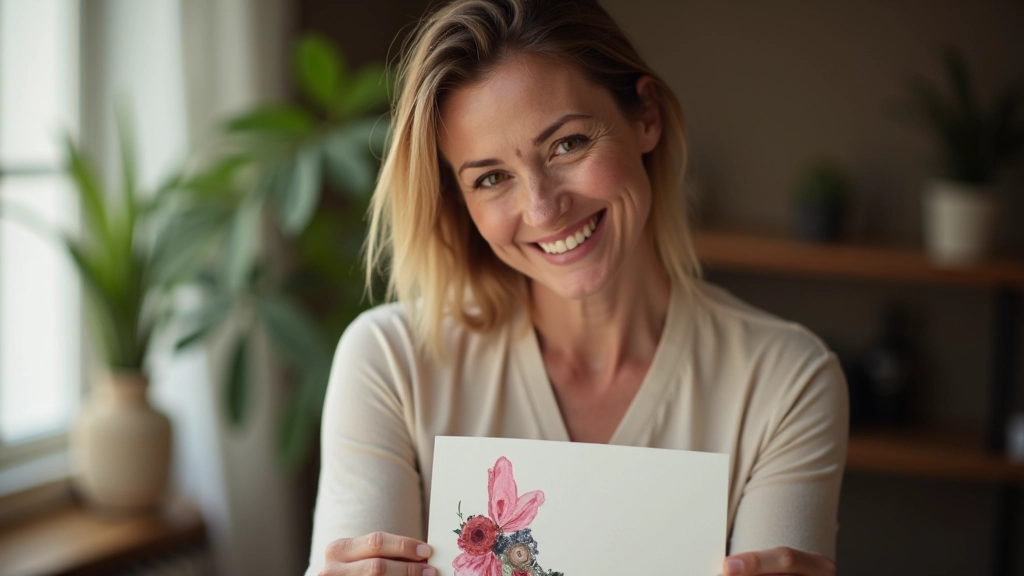
Before 2019, collage workshops were rare in Ireland. Most art instruction focused on traditional skills — drawing, painting, sculpture. But during the pandemic, libraries and community centres started exploring what could happen in smaller, quieter sessions. Collage fit perfectly. It’s accessible, low-cost to run, and doesn’t require previous experience or expensive equipment.
Now there are over 80 regular collage workshops running across Ireland. The growth reflects something people discovered during lockdown — we crave hands-on creative time, especially without pressure. Collage delivers that. It’s messy, immediate, and forgiving.
Getting Started
If you’ve been thinking about trying collage, the barrier to entry is genuinely low. Find a workshop near you — check your local library’s website or call their main desk. Show up. Bring nothing but yourself. You don’t need talent, confidence, or a finished vision. You just need scissors, glue, paper, and an hour or two to see what happens when you start cutting and arranging.
Most people who try collage once come back. Not because they’re suddenly artists. But because they discovered something quiet and real in the process.
Disclaimer: This article is for informational purposes about collage workshops available in Irish communities. Workshop schedules, costs, and availability may change. We recommend contacting your local library or community centre directly to confirm current session times, pricing, and registration requirements before attending. Information is current as of March 2026.